Threats to the Spiritual Security of the Kingdom of Morocco
By Abdelhakim Yamani
President of the Geopolitical Institute Horizons (IGH)
In-depth Strategic Analysis – July 2025
Executive Summary
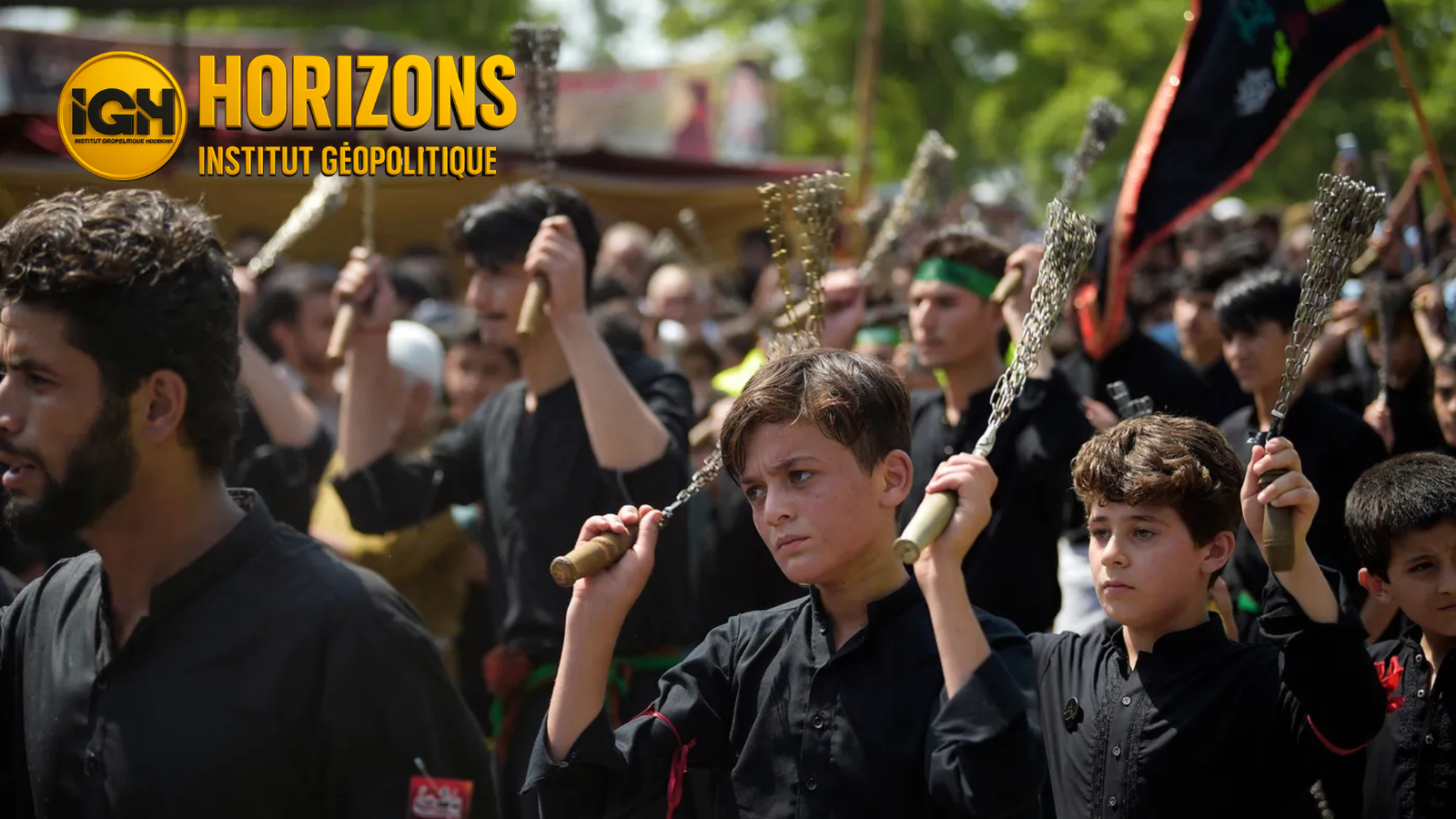
Shia expansionism in Africa and Europe represents a major strategic threat to the spiritual security of the Kingdom of Morocco. This religious offensive, orchestrated by Iran and its transnational proxies, aims to subvert Morocco’s Maliki doctrinal unity and challenge the authority of the Commander of the Faithful. This analysis reveals a methodical progression in 17 countries, mobilizing over 85,000 participants during the Ashura processions of 2025, coord…
2025 Shia Expansion Mapping
Europe: Laboratory of Legitimization
9 European countries – 15,000–20,000 participants:
- United Kingdom: 35th annual procession in London (Marble Arch → Holland Park), community of 140,000–224,000 Shiites
- Germany: Islamic Centre of Hamburg, « main Shia center in Europe for 50 years »
- Italy: Processions in Milan with anti-Western protest dimension
- France: 12 processions, gatherings in cultural centers and mosques
- Belgium, Ireland, Netherlands, Austria, Sweden: Active community networks
Africa: Strategic Priority Target
8 African countries – 50,000–100,000 participants:
- Tanzania: Official holiday since 1920, 5 cities (Dar es Salaam, Arusha, Moshi, Zanzibar, Tanga)
- Nigeria: 5 processions despite IMN ban, US security alert
- Algeria: 2 processions (Algiers, Constantine), Iranian relay to the Maghreb
- Kenya, South Africa: Khoja communities of Indian origin
- Morocco, Senegal, Tunisia: Holiday status but covert infiltration
Architecture of Shia Infiltration
Transnational Coordination
World Federation of Khoja Shia Ithna-Asheri Muslim Communities (London)
- 150,000 global members
- Europe-Africa coordination
- Funding: Iran, diaspora networks, front NGOs
Key Nerve Centers
- Islamic Centre of England (London) – European hub
- Al-Mahdi Institute (Birmingham) – Academic training
- Islamic Centre Hamburg – Intellectual leadership
- KSIJ Dar es Salaam – African platform
Expansion Mechanisms
1. Education and Training
- Scholarships in Iran (Qom)
- “Free” cultural centers
- Training of religious cadres
2. Media and Propaganda
- Satellite TV (Al-Manar, Press TV)
- Multilingual content
- Targeted social media
3. Humanitarian and Social Channels
- Front NGOs (Imamia Welfare Organisation)
- Health and education projects
- Food distribution during matam
Specific Threats to the Kingdom of Morocco
1. Doctrinal Subversion
Objective: Undermine Morocco’s Maliki religious unity
Methods:
- Proselytism in urban suburbs (Casablanca, Fez)
- Targeted conversions of marginalized youth
- Shiite literature dissemination via cultural associations
- Use of « Mabrouk Laâwacher » to introduce Shia symbols
Evidence (DGST 2023): Reports of indoctrination attempts, Moroccan customs seizures of suspicious British funds (2024), monitoring of foreign preachers
2. Contestation of the Commander of the Faithful
EXISTENTIAL THREAT
Acceptance of the Iranian concept of « Wilayat al-Faqih » would create an alternative religious authority to King Mohammed VI, threatening Morocco’s historic religious legitimacy, unity, and Maliki-Ashari consensus.
3. Geopolitical Interference
- Algeria as bridgehead (2 documented processions)
- Documented links: Iranian diplomats → Shia networks → Morocco
- Polisario dossier instrumentalization
- Logistical support via Europe (London, Paris)
Alarming Progression: Documented Evidence
- 8 African countries with “active processions” surround Morocco
- Geographic encirclement (Algeria, Tunisia, Senegal)
- European coordination via Moroccan diaspora
2020–2025 Evolution
- +300% Shia cultural centers in West Africa
- Tanzania: model of normalization (holiday since 1920)
- Nigeria: persistence despite repression (IMN banned)
- Europe: growing institutionalization (35 years in London)
Recent Incidents and Alerts
- 2025: US security alert in Nigeria (July 6)
- 2024: Moroccan customs seizures (British funds)
- 2023: DGST report on urban infiltration
- 2022–2024: 3 Morocco–Iran diplomatic ruptures
Strategic Recommendations for Morocco
1. Reinforcement of Spiritual Security
Immediate Measures:
- Ban foreign funding for suspicious “cultural” associations
- Control sermons in university mosques (Fez, Rabat)
- Increased monitoring of non-Ministry-affiliated cultural centers
- Blacklist foreign Shia preachers
Structural Measures:
- Create a Spiritual Security Agency (DGST–Ulama coordination)
- Include anti-Shiism in imam training programs (Rabita Mohammedia)
- Strengthen Maliki doctrine in national education curricula
2. Doctrinal Consolidation
- Promote Moroccan Sunni Ashura (Al Aoula, 2M)
- Organize international Maliki conferences (Rabat, Fez)
- Multiply religious exchanges with African Sunni countries
- Export Morocco’s tolerant model (train African imams)
3. Offensive Diplomacy
- Demand closure of Iranian Shia centers in Algeria (UMA)
- Coordinate with GCC against Iranian expansion
- Designate Hezbollah as a terrorist group
- Alert European partners to London–Paris networks
Prospective Analysis: 2025–2030 Scenarios
Scenario 1: Worsening
- Proliferation of Shia centers in the Maghreb
- Mass conversions among urban youth
- Open contestation of royal religious authority
Scenario 2: Stabilization
- Status quo maintained with monitoring
- Limited infiltration into intellectual spheres
- Controlled yet tense coexistence
Scenario 3: Containment
- Effective implementation of preventive measures
- Retreat of Iranian influence
- Morocco’s religious outreach across Africa
Strategic Conclusion
Shia expansionism in Africa and Europe constitutes an existential threat to the spiritual security of the Kingdom of Morocco. This offensive, orchestrated by Iran and its transnational networks, seeks to fragment Maliki religious unity, undermine the Commander of the Faithful, and sow subversion.
Data from 2025 reveals alarming trends: 85,000+ participants in 17 countries, geographic encirclement of Morocco by 8 African “infected” states, and sophisticated coordination via London. This expansion is deliberate—part of Iran’s hybrid war strategy against Sunni monarchies.
Morocco must deploy a comprehensive spiritual security strategy: doctrinal fortification, foreign network surveillance, Maliki identity consolidation, and offensive diplomacy. Safeguarding the Moroccan religious model is non-negotiable—it ensures national stability and continental influence.
IGH-NS-Maghreb-20250708 | Classification: PUBLIC
© 2025 Geopolitical Institute Horizons – All rights reserved