Executive Summary
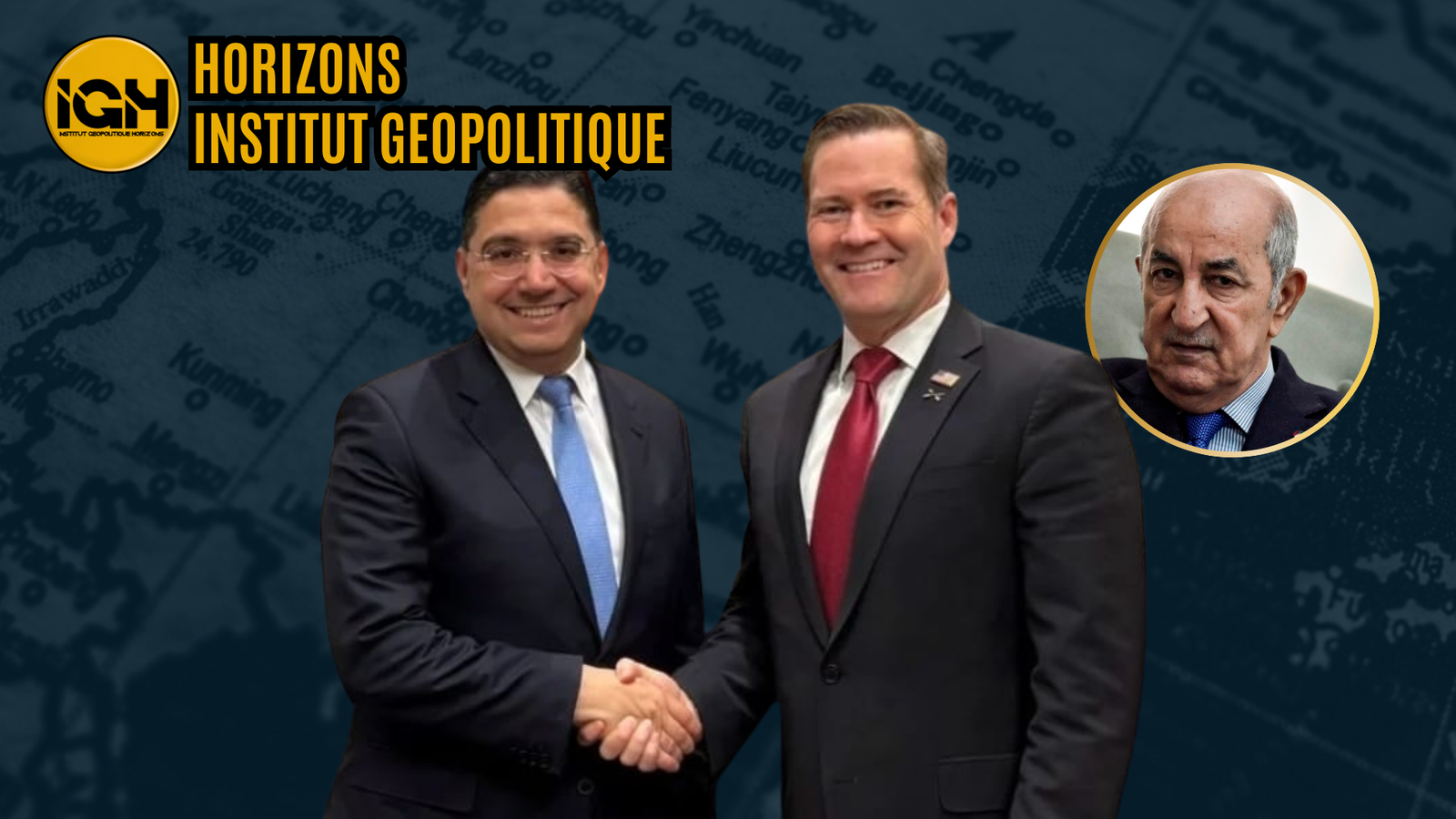
The mediation conducted by Massad Boulos between Morocco and Algeria constitutes far more than a simple diplomatic initiative. It represents the spearhead of a sophisticated American strategy aimed at establishing dual hegemony over Saharan resources and reconfiguring the Maghrebi security architecture. This operation, orchestrated with the active participation of Ambassador Elizabeth Moore Aubin in Algiers, pursues three strategic objectives: securing American access to both Saharas (Western and Eastern), integrating the Algerian army into the AFRICOM apparatus, and establishing a dual gateway to the Sahel. The forced revision of Algerian hydrocarbon legislation (transition from the 51/49 ratio to 20/80 in favor of foreign companies) testifies to the partial success of this strategy which, while formally preserving the partnership with Rabat, aims to reduce Moroccan singularity in the American regional equation.
I. Introduction: The Boulos Mediation, A Strategic Smokescreen
For several months, Maghrebi chancelleries have been buzzing with information about American mediation between Morocco and Algeria, orchestrated by Massad Boulos, a Lebanese-American businessman close to Washington power circles. This initiative, presented as an attempt to normalize relations between the two regional powers, actually conceals a strategic maneuver of an entirely different scope. The elements gathered by the Geopolitical Horizons Institute, corroborated by recent developments on the ground, reveal a sophisticated operation of American economic and security penetration aimed at fundamentally transforming regional balances.
The instrumentalization of facade mediation to serve broader geostrategic objectives is not new in American diplomacy. However, the scope and sophistication of the current operation mark a turning point in Washington’s approach to the Maghreb. By using the figure of Boulos, whose business networks transcend regional divisions, the United States found the ideal vehicle for a strategy that could not be conducted openly without provoking adverse reactions, particularly from Morocco, a historical ally who risks seeing its privileged position diluted in this new configuration.
This Policy Note analyzes the deep mechanisms of this American strategy, its implementation modalities, and its implications for regional balances. It is based on analysis of recent diplomatic movements, legislative changes in Algeria, and observed military repositioning, particularly the highly symbolic deployment of the Algerian army chief of staff to AFRICOM headquarters in Stuttgart, orchestrated by Ambassador Moore Aubin.
II. The Anatomy of a Takeover: The Algerian Case
2.1 Elizabeth Moore Aubin: The Architect of Soft Vassalization
The American ambassador to Algiers, Elizabeth Moore Aubin, embodies the new American approach in Algeria. Far from the traditional profile of a career diplomat, Moore Aubin combines economic expertise with acute political maneuvering skills. Her role far exceeds that of a simple diplomatic representative; she acts as a true « handler » of Algerian power, skillfully orchestrating the country’s progressive transformation into a relay for American interests in the region.
The deployment of the Algerian army chief of staff to Stuttgart, under Moore Aubin’s aegis, constitutes a pivotal moment in this strategy. This trip, presented as a technical military cooperation visit, actually marks the progressive integration of the Algerian military apparatus into the American security architecture. The symbolism is strong: the Algerian army, pillar of the regime and jealous guardian of national sovereignty since independence, de facto accepts a form of American tutelage disguised as partnership. This evolution, unthinkable just a few years ago, testifies to the effectiveness of the seduction and pressure strategy exercised by Washington.
2.2 The Energy Capitulation: From 51/49 to 20/80
The revision of Algerian hydrocarbon legislation perhaps constitutes the most resounding victory of the American strategy. The transition from the participation ratio of 51/49 (51% for the Algerian state, 49% for foreign partners) to an inverted ratio of 20/80 in favor of foreign companies represents much more than a simple technical adjustment. It is an outright capitulation of the Algerian regime to American pressure, an abdication of economic sovereignty over the country’s strategic resources.
This legislative evolution, imposed under the guise of economic necessity and energy sector modernization, opens wide the doors of the Eastern Sahara to American companies. Chevron, ExxonMobil and their sisters can now exploit the immense reserves of shale gas and unconventional oil in the Saharan basin with almost total freedom of action. The timing of this revision is not fortuitous: it coincides perfectly with the Boulos mediation and the American strategy of dual Saharan penetration.
The Algerian regime, weakened by successive crises and unable to diversify its rentier economy, found itself unable to resist this American offensive. The combination of economic pressures (via international financial institutions), political seduction (promises of international support), and security guarantees (protection against internal and external threats) overcame the last resistance of Algerian power. This energy capitulation prefigures a broader vassalization that progressively transforms Algeria into a client state of the United States, at the expense of its traditional partnerships with Russia and China.
III. The Two Saharas Strategy: The American Obsession
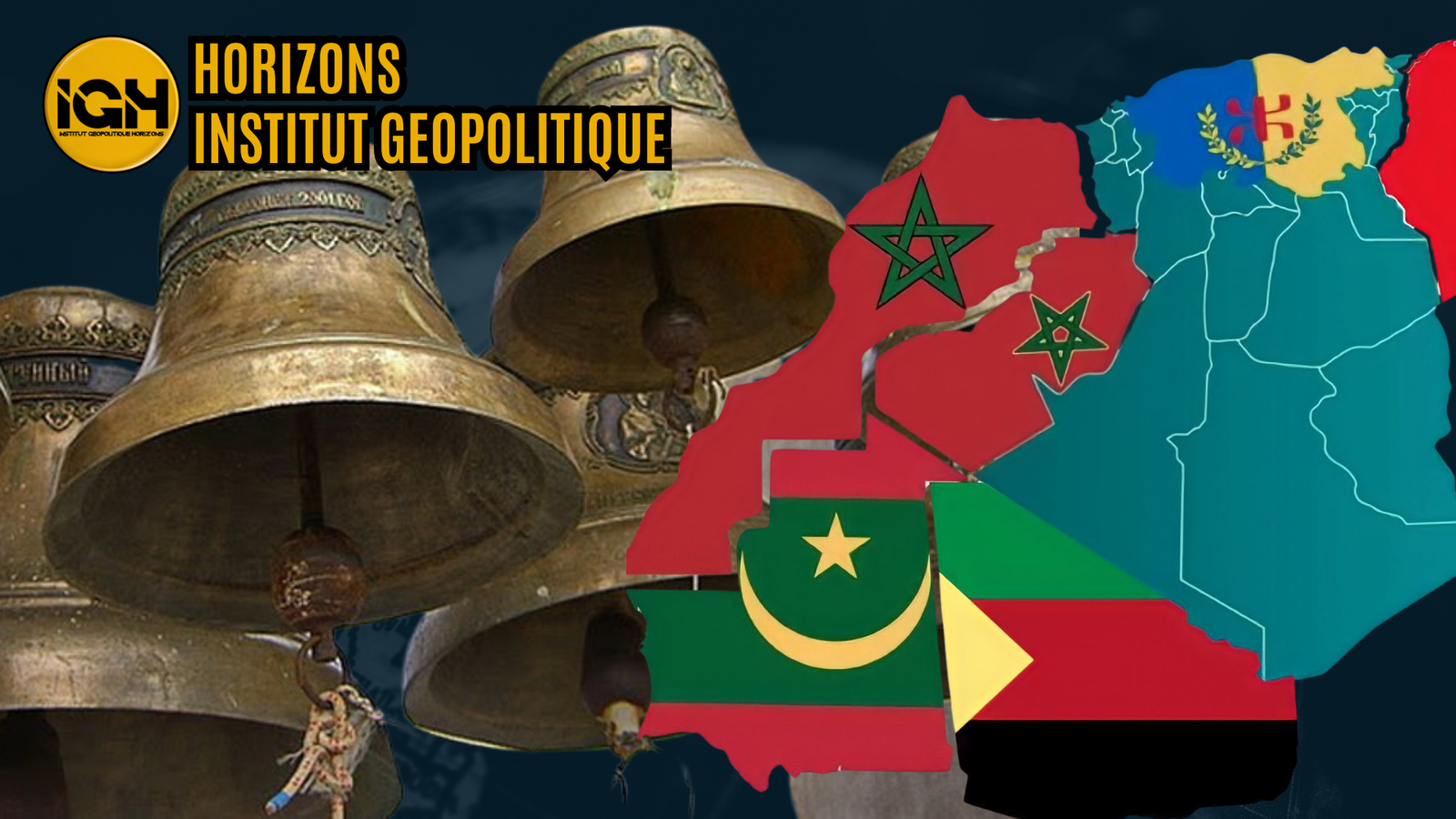
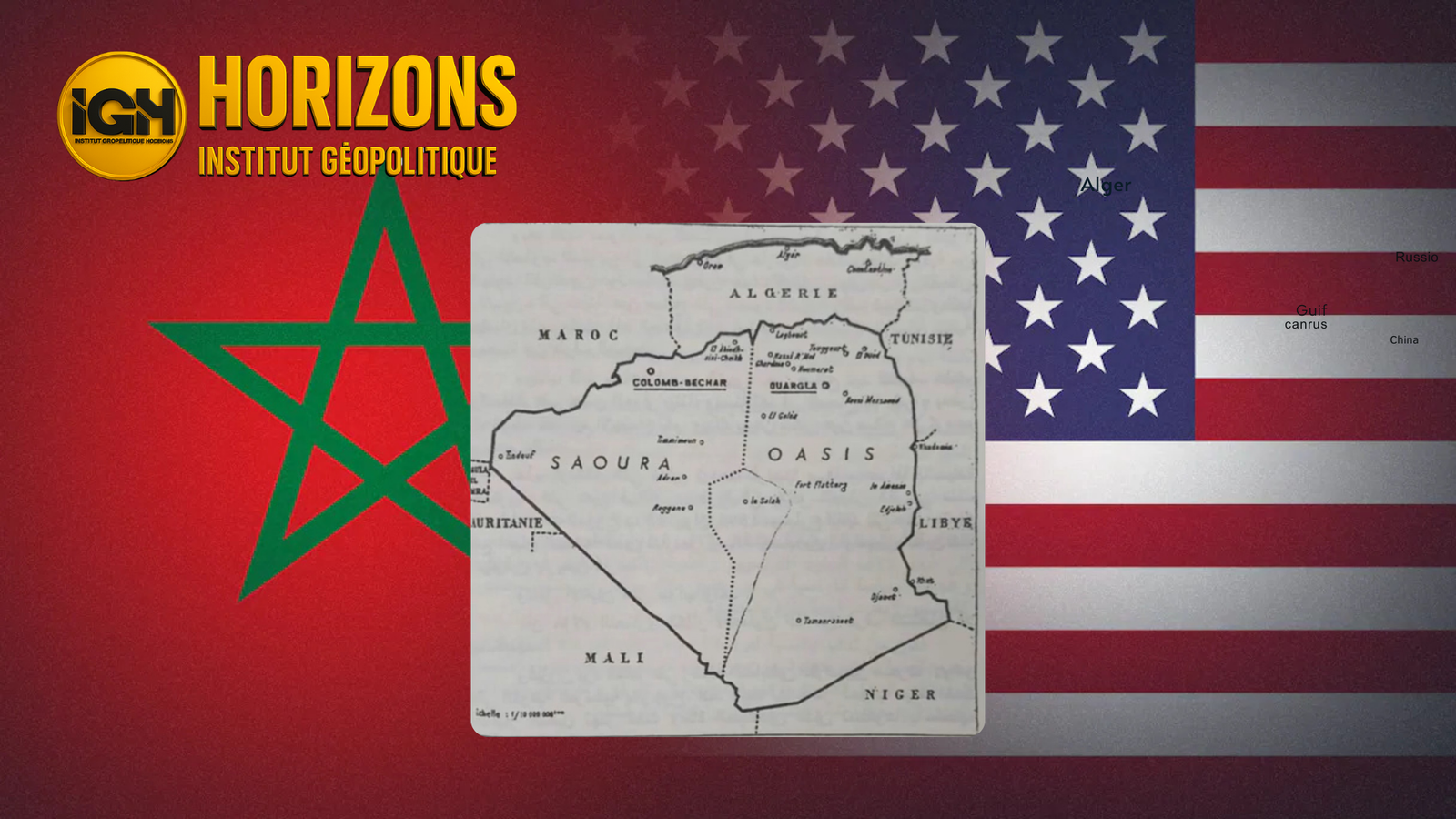
The Boulos mediation reveals the American obsession with controlling the two Saharas – Western and Eastern. This strategy, of formidable coherence, aims to secure American access to the immense natural resources of these spaces while establishing a dominant position in the region. The Western Sahara, with its phosphates, marine resources, and offshore energy potential, represents a major economic stake. The Algerian Eastern Sahara, with its colossal reserves of unconventional hydrocarbons, constitutes for its part a strategic reserve for the American energy future.
By orchestrating a normalization of Moroccan-Algerian relations, Washington pursues a dual objective. On one hand, defusing the Western Sahara conflict that complicates optimal exploitation of the region’s resources. On the other hand, creating a stable regional environment allowing American companies to operate freely in both Saharas without fearing geopolitical turbulence. This approach, cynical in its pragmatism, ignores positions of principle and historical commitments to retain only the maximization of American economic and strategic interests.
The Trump administration’s recognition of Moroccan sovereignty over Western Sahara in 2020 appears retrospectively as the first phase of this strategy. By securing the alliance with Rabat through this major concession, Washington ensured Moroccan cooperation while preparing the ground for the next phase: the Algerian opening. The Boulos mediation thus constitutes the second act of this geostrategic play, aimed at reconciling positions to allow joint or at least non-conflicting exploitation of Saharan resources.
IV. The Sahel: The American Dual Gateway
One of the major strategic objectives of the Boulos mediation consists of establishing an American dual gateway to the Sahel. Until now, American projection into this crucial region depended largely on Moroccan cooperation. The Kingdom’s logistical bases, political stability, and diplomatic influence in West Africa constituted indispensable assets for American operations. This exclusive dependence, however, created a strategic vulnerability that Washington now seeks to correct.
By normalizing Moroccan-Algerian relations and integrating Algeria into its regional apparatus, the United States equips itself with a strategic alternative. Algeria, with its 1,200 kilometers of border with Mali and Niger, offers direct access to the heart of the Sahel. Its army, the largest in the region in terms of personnel and equipment, could become a valuable operational partner for counterterrorism and stabilization operations. This diversification of options allows Washington to no longer depend exclusively on Moroccan goodwill and to have additional leverage in its regional negotiations.
The integration of the Algerian army into AFRICOM represents the operational concretization of this strategy. By accepting this integration, even progressive and disguised, Algiers de facto abandons its doctrine of non-alignment and its traditional mistrust of Western military systems. This evolution, facilitated by American economic pressures and security guarantees, transforms Algeria into a potential relay for American operations in the Sahel, thus creating strategic redundancy that mechanically reduces Morocco’s relative importance in the American regional apparatus.
Recommendations for Morocco
- Enhanced mobilization around the Eastern Sahara: Intensify mobilization around the Eastern Sahara issue, historically amputated by colonization, by highlighting the geopolitical and economic implications of this region.
- Parallel with French nuclear damage: Highlight the parallel between the Eastern Sahara issue and the consequences of French nuclear tests in the region, to strengthen the argument about historical injustices and the lasting impacts of colonization.
- Strengthening internal actors: Actively engage political parties, civil society, and popular movements in defending national interests.
- Diversification of strategic partnerships: Although the partnership with the United States is crucial, Morocco should explore and strengthen its alliances with other regional and international powers to reduce its dependence and increase its diplomatic maneuvering room.
- Strategic positioning in the Sahel: Continue to assert its role as a stabilizer and key partner in the Sahel region, by proposing innovative solutions and strengthening its cooperation with Sahelian countries, regardless of American initiatives.
- Continuous strategic monitoring: Maintain constant surveillance of developments in American strategy and regional dynamics, to anticipate threats and identify opportunities to adjust its own foreign policy.